Biography and Authentic Literacy

I’ve been struck in recent weeks by student responsiveness to three heartwarming projects, Book Tasting, Retelling, and the Book Minute.  In Book Tasting, students have three minutes to examine a number of books, evaluating each according to their own entirely personal and subjective assessment of “what matters.”  In Retelling, students take it a step further by personally narrating the summary elements of a story (character, setting, problem, solution, etc) to their peers and in their own words. In the Book Minute, students choose a favorite book and try to “sell it” to their classmates in a one-minute presentation. In all cases, I’ve been struck by how students engage with the material in their own unique ways–interpreting, evaluating, emphasizing, ignoring or celebrating aspects of their reading in ways completely informed by their unique personalities.

Reading

In being privileged to sit with students as they negotiate various reading materials–involving both content that they “love” and self-selected as well as assigned reading–I’ve realized (again) how important literacy is to the formation of identity and biography.  I’ve often heard the statement “you are what you eat,” but I see how it becomes even more true that “you are what you read.” What I found particularly revealing were the presentations students made about their reading during the Retelling (here and here and here) and Book Minute sessions. In each case, the unique personalities of each little soul came shining through!


As a librarian, I live to connect people with the content that they seek. In whatever format, print, digital, audio, or video–my role is to help make the connections. In doing so, I have the privilege of helping to shape students’ personal reading biographies. I have come to realize (again) how it is my personal mission to help young people become who they are, in the most supportive and caring ways possible. Participating in authentic literacy activities is one of the most enjoyable aspects of my job.

Book Tasting

One challenge I face as a school librarian is to make sure my students are exposed to a wide variety of books. So when I read Andy Plemmons’ post about book tasting (who was inspired by Buffy Hamilton), I knew it was something I wanted to try with my students. For my 3rd grade class of 20 kids, I piled a stack of books on each of our four library tables, making sure to include various fiction genres as well as nonfiction and biography titles, all covering a range of reading levels.

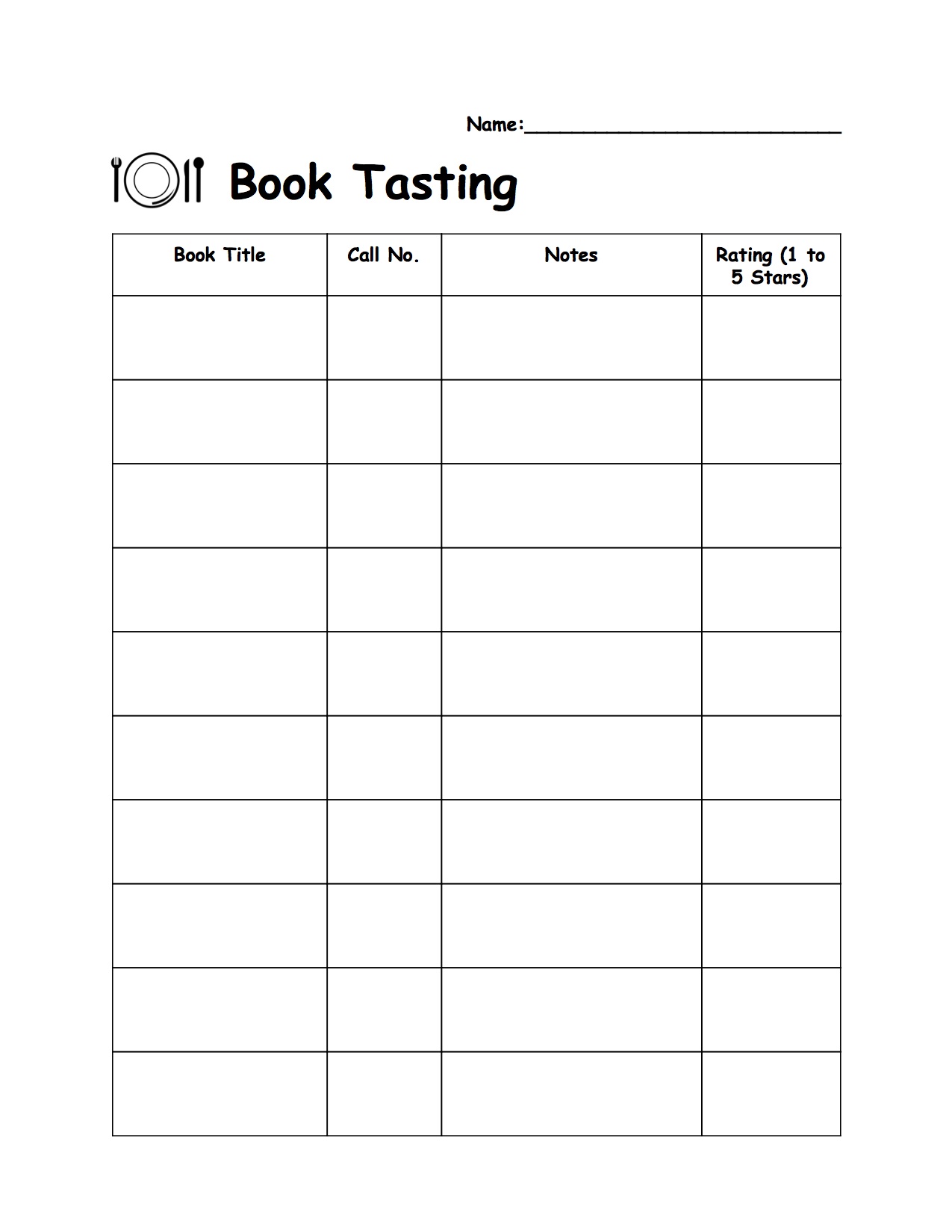
We began with a brief review of how to select a book: read the blurb on the back, the inside flap, and several of the pages. For the book tasting event, students selected a book, recorded its title and call number, took brief notes, and rated each book anywhere from 1 to 5 stars on a form I created.

Book Tasting Template

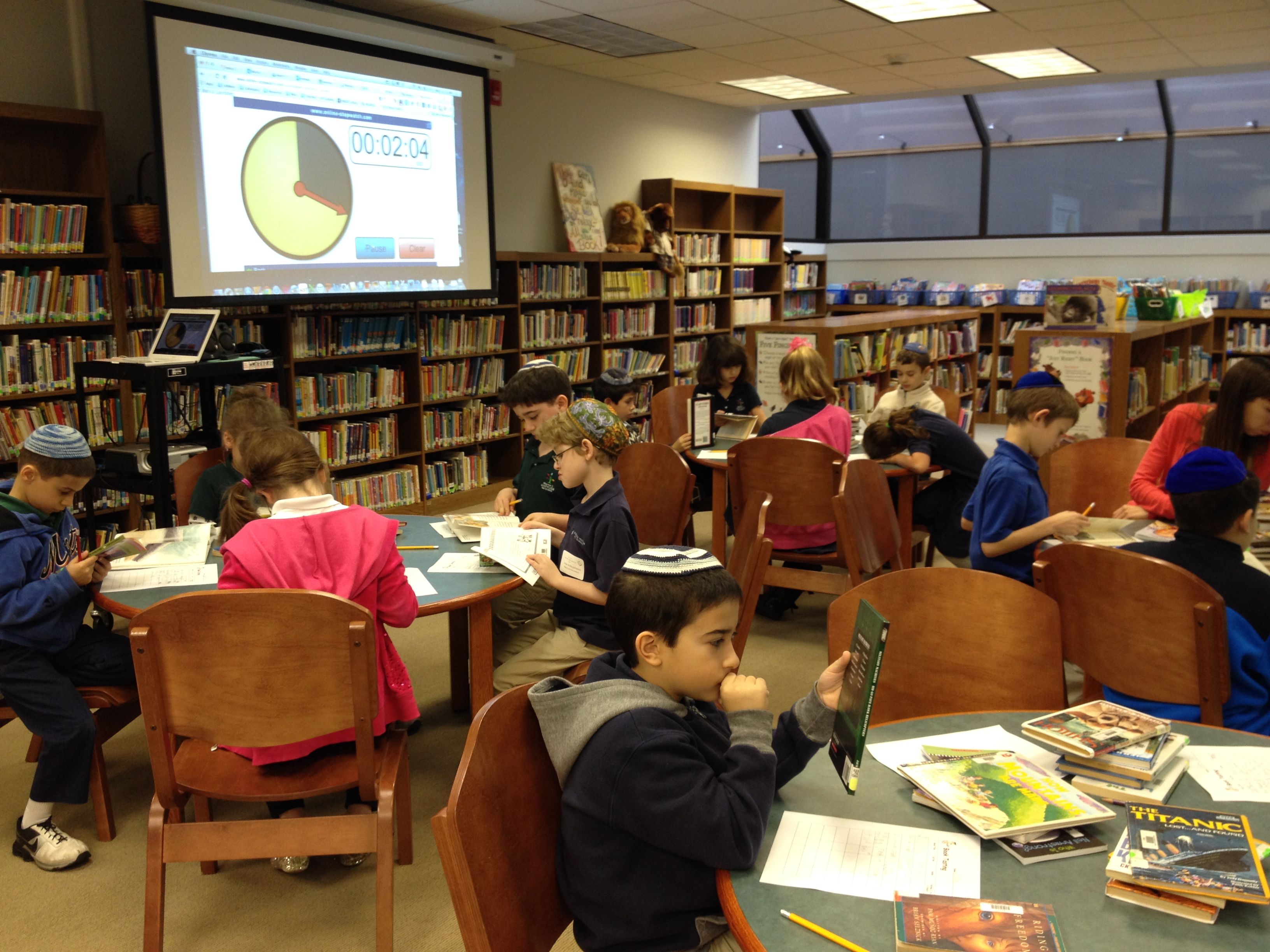
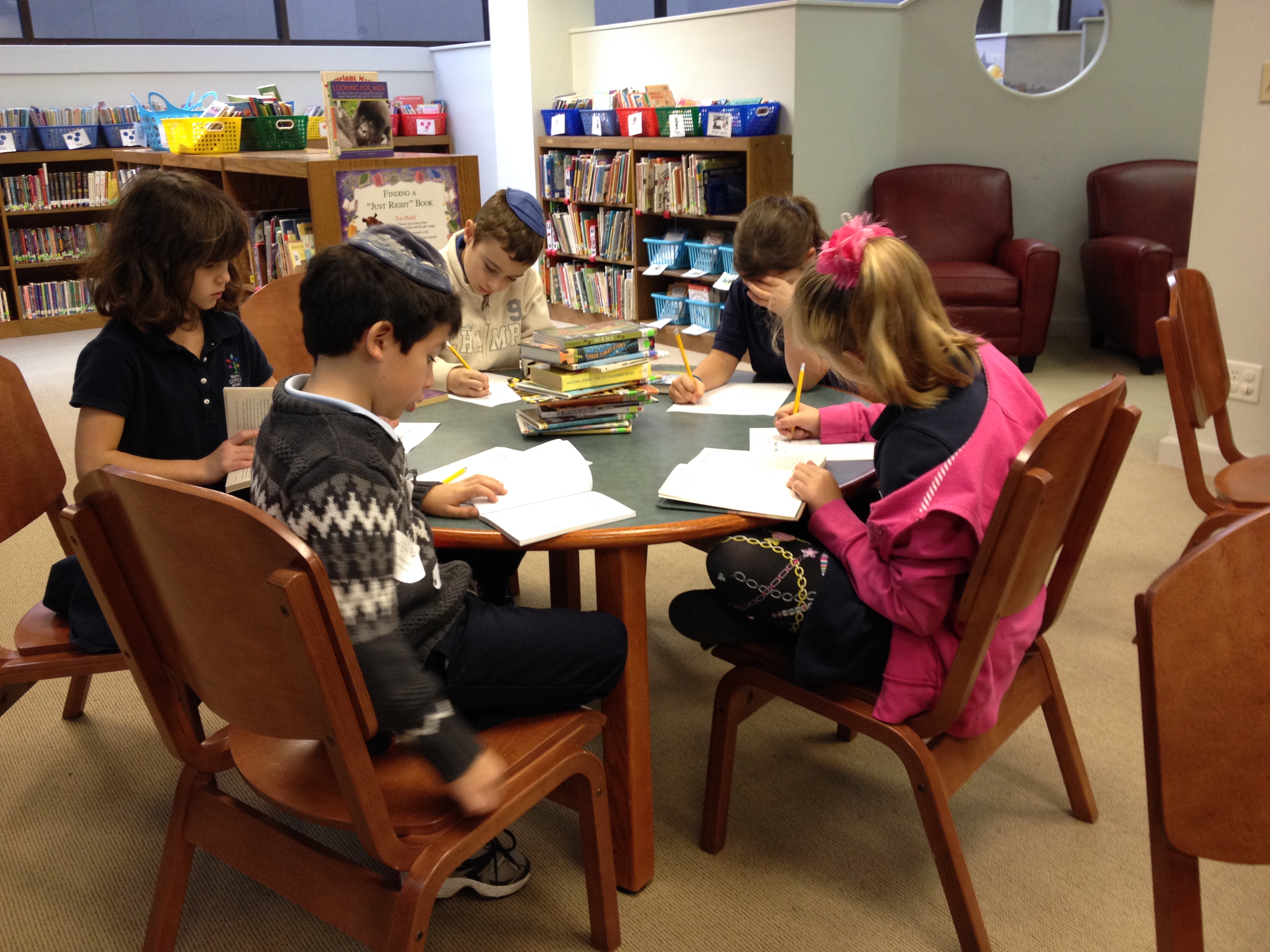
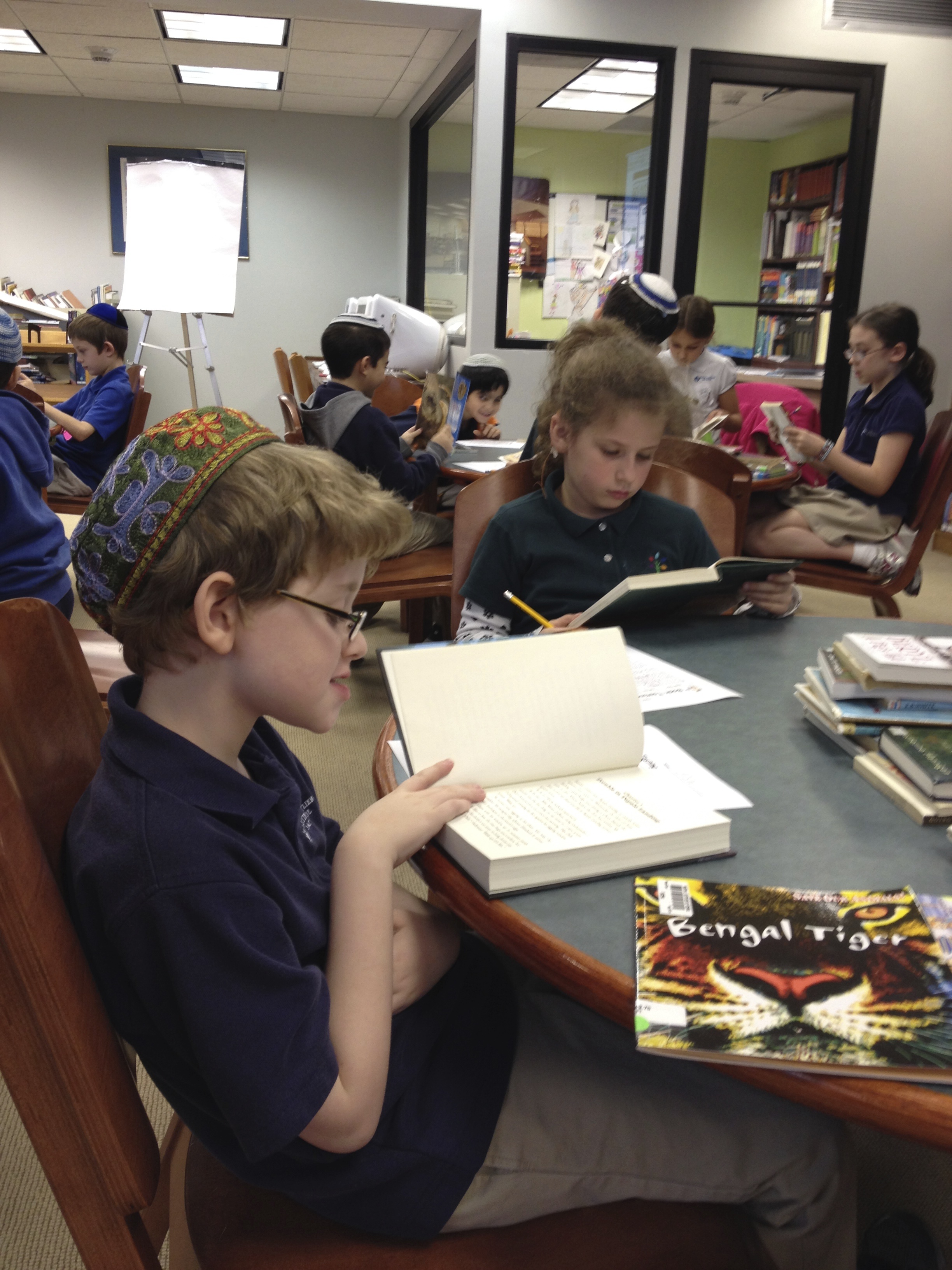
Students were allowed three minutes per book. I used a timer, projected on a large screen, to alert students to move on to another book. The large assortment of book choices as well as the time limit really helped student motivation. I was impressed that my typically chatty 3rd grade students fell silent whenever the clock started it’s 3-minute countdown.

IMG_1191

IMG_1187

IMG_1193

In all, each student “tasted” 10 books. I loved seeing them excited about their 5-star “finds”. When a student discovered one of the I Survived series books, he told me that he planned on reading all of them. In fact, every student found at least one book to check out, but most students found several so that I decided to ignore the usual checkout limit of three books. What a perfect way to start our winter break!

Please watch Eliana and May explaining the book tasting process.

Retelling “The Paper Bag Princess”

My first grade students orally retold The Paper Bag Princess by Robert N. Munsch (1980). It’s a fun, classic fairy tale with a twist–featuring a princess who rescues a rather arrogant prince. Retelling is such a great exercise to reinforce understanding of sequence. But it’s not just about organizing and describing events, it’s also about vocabulary and language skills.

imgres

I really enjoyed this project. I believe allowing the kids to use the retelling rope, holding each “disc” as they were organizing their thoughts, really helped them. Some of the retellings were more fluid than others, some more expressive than others. I loved seeing my students’ personalities on display!

We began by reading and discussing the book. We then spent a considerable amount of time identifying the various story elements (setting, characters, problem/solution, beginning, middle, and end) before completing a graphic organizer.

Template- Story Retelling Map

For some fun and also to introduce the idea that stories should be read and told with expression, we listened to the story read by the author himself on Tumblebooks. If you have access to the database, I encourage you to listen to Munsch’s very expressive and highly engaging reading.

To aid student retelling, I created retelling ropes to serve as visual cues. Feel free to use the template below to create your own. Or, if you have some extra funds, you could also purchase retelling ropes.

Template- Retelling ElementsTemplate- Retelling Elements 2

Using a rope, I modeled retelling the story for the students. Then the kids practiced in groups of three (pairing the more advanced kids with the lower kids really helped) before I recorded each student.

The Book Whisperer: A Visual Review

I just finished reading Donalyn Miller’s book The Book Whisperer: Awakening the Inner Reader in Every Child (Jossey-Bass, 2009)–and am enthralled. As a librarian, a major part of my job is to put the “right book” in kids’ hands in order to instill and foster a love of reading. That is, a book that will appeal to them–as individuals.  To connect kids with the books that they will love, uniquely.  And we all know, of course, that reading is fundamental. But despite its simplicity and common sense, Miller’s approach to “awakening the inner reader in every child” seems revolutionary: provide every child with a good book and time to read it, because “everybody is a reader”. Miller’s text is required reading for all language arts teachers and school librarians alike.

Tools for Awakening Readers

Daily Reading: The “cornerstone” of every classroom, a daily habit. In Miller’s classroom, students spend about one third (30 minutes) of their language arts block reading each day.

Student Surveys: During the first week of school, students complete two surveys, the “Reading Interest-A-Lyzer” created by Sally Reis and based on a form by Joseph S. Renzulli, about student reading habits and student visions of a perfect language arts class. The other is a general interest survey about book, movie and television preferences, hobbies, collections, preferred activities, and more. The surveys serve to assist Miller in making personal reading recommendations.

Reader’s Notebooks: Students maintain a reader’s notebook as a record of their reading. The notebooks serve as a tool for student-teacher conferences and for book recommendations. Aside from listing books read and to-read, it also serves as a space for reading responses.

Teacher Modeling: In order to instill a love of reading, teachers must be readers as well. “If we want our students to read and enjoy it for the rest of their lives, then we must show them what a reading life looks like” (110). And so during the designated class reading time, Miller also reads rather than busying herself with administrative or other tasks. Like the students, she also keeps a reader’s notebook.

Classroom Libraries: Miller believes in the importance of surrounding students with books. Her classroom is a library with shelves lining each wall. Rather than investing in classroom decorations, she invests in books.

Year-End Evaluation: Students complete an end-of-year survey to document their growth as readers. It shows not only how many books and the different genres students read, but also which factors contributed to their reading interests and motivation. Moreover, “through this survey, students celebrate their reading accomplishments, express their opinions to me one more time about the structure of our class, and set future reading goals” (156).

Book Whisperer Infographic

Teacher Coaching: Art, Science, or Cottage Industry?

imagesIn her book, The Art of Coaching: Effective Strategies for School Transformation, Elena Aguilar summarizes her background working in under-resourced public schools while serving challenged students in an urban environment. Aguilar describes coaching as a potentially valuable resource for impacting both individual teacher practices as well as student outcomes. Effective coaching, however, requires “necessary preconditions” in schools in order to flourish, such as principals who “demonstrate effective leadership” and teachers willing to be coached. The Art of Coaching promotes both “Directive” and “Facilitative” coaching models that are collaboratively developed. “Directive” coaching changes the client/teacher’s behavior, with the coach serving as a subject matter expert who shares expertise. In “facilitative” coaching, however, the coach works more as a process facilitator, not sharing expert knowledge, but targeting the pursuit of new skills and habits. “Transformative coaching” incorporates strategies for both Directive and Facilitative coaching models. Aguilar repeatedly highlights inequalities in educational attainment and school performance across race and ethnicity, directing much of her writing toward the belief among many teachers that school system performance is more a reflection of the home environments and neighborhood conditions of children than of teacher effectiveness. She effectively promotes coaching as a means of empowering under-resourced teachers in challenged school districts to better cope with the stresses of teaching. Aguilar emphasizes the importance of a trusting relationship between teachers and coaches.

I have to admit that I am somewhat reluctant about the “Steven Covey-fication” of education as expressed in The Art of Coaching. I personally prefer the term “facilitator” over “coach.” Still, one gets the sense that Aguilar is a seasoned teacher who strives to provide both useful strategies and emotional support to overwhelmed teachers. I was most drawn in the book to points where Aguilar hints at larger structural contradictions while adopting “six lenses” from the National Equity Project on changing expectations of teachers: 1) inquiry; 2) change management; 3) systems thinking; 4) adult learning; 5) systematic oppression; 6) emotional intelligence. The Art of Coaching provides a window into the challenges facing public education and a solid introduction to teacher-led coaching. It is a good book and I recommend it.

Motivating Literacy: Digital Badges in the School Library

Badge Display

Most of my 2nd to 5th grade students tend to read within the same literary genre. Fantasy is by far the most popular, from the Magic Tree House to the Deltora Quest and Percy Jackson series. To motivate my students to explore other genres as well, I’ve decided to begin Badging the Library. It’s baby steps at first, but I am hoping to expand eventually.

You all have seen digital badges–maybe in the form of a community badge displayed in the sidebar of your favorite blog? Or possibly you’ve downloaded AASL’s Rising to the Challenge conference attendance badge? Then there are achievement badges, which are popular in the video game industry. I’ve created skills badges. The purpose of skills badges is to allow students to demonstrate that they have met a learning objective. A great example is Khan Academy, where badges are awarded to display mastery in seven unique skills. My genre reading badges are not at all as elaborate as Khan’s, but I do hope they are just as motivating.

Badging_the_Library__A_PreFlection_-_Google_DriveFor now, I’ve created seven different genre badges for students in grades 2 through 5 (28 badges total). Creating the badges was much easier than anticipated. I looked at various badge designer options and eventually settled on openbadges.me by MyKnowledgeMap (they do have a WordPress plugin as well). To create a badge, you simply select from various choices for each the shape, inner shape, icon, banner, and text. Super easy!

OpenBadges.me_»_Badge_designer_and_Microsoft_Word

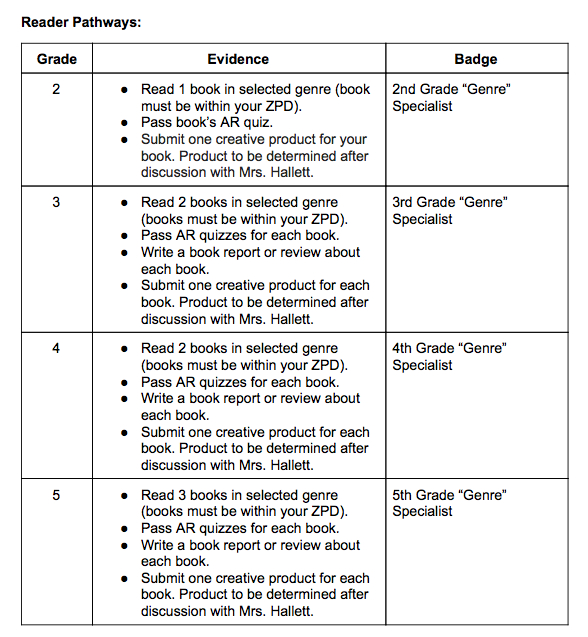
To earn a genre reading badge, students have to complete a learning path (see below). The creative product can be anything from a recorded book talk to a trailer to trading cards to a comic strip to mindmaps to animations… Badges will be collected in “My Badge Backpack”, a page on each of my student’s blogfolios.

Reading Pathways

My goal for the badge implementation is to serve as a reading incentive program. Moreover, I want to entice students to explore new genres. In this sense, the learning is entirely student-driven, thereby empowering them to play a stronger role in their own learning.  Students are not required to participate, although I do hope that many will.

So while I am starting small, I see great potential for expansion. For example, one of my curricular areas is digital citizenship. Rather than making badge earning voluntary, it could be a form of assessment–letting students demonstrate what they know–and documenting it for instructional purposes.

Born Digital

Recently, I had the pleasure of working closely with our Kindergarten teacher and her students. The students are currently learning all about bar graphs. As part of their learning, their teacher helped them create a two-question online survey: 1) What is your favorite ice cream flavor? and 2) Where do you live? The kids created a survey in Google Forms. My job was to introduce the students to Twitter and help them formulate a Tweet asking fellow Tweeters around the globe to participate in the survey.

Tweet

I have been thinking about the students’ response to my question: What are some ways we communicate? Their answers included Facetime, texting, and Skype (in that order). Not only was I was struck by their answers, but even more so by what they did not say: The students did not mention email as a means of communication and when asked how they would get a picture they had drawn to their grandparents, they did not mention snail mail.  But, on the other hand, when I pointed to that little blue bird, a couple of students could tell me that it represented Twitter.

My 14-year old son and his friends recently told me that they don’t really use Facebook–because it is for “older people” (i.e., us). Instead, you can find them on Instagram, Snapchat, and Vine (neither are my social media turf).

Like you, I am a digital immigrant not a native, and I’m trying to keep up. Our kids are growing up with forms of communication that were unimaginable when we were children. And the pace of technology change is increasing.  When our Kindergarten students know Twitter but not regular mail, times have changed. But of course, they know nothing different (for now). Emphasizing the rudiments of all communication regardless of format, however, remains the key to early learning and literacy: community, respect, and the ability to listen. It is so enjoyable to hear from our youngest students all the new ways they communicate with the world.

Why Read? Student Reflections

Why Read Bulletinboard

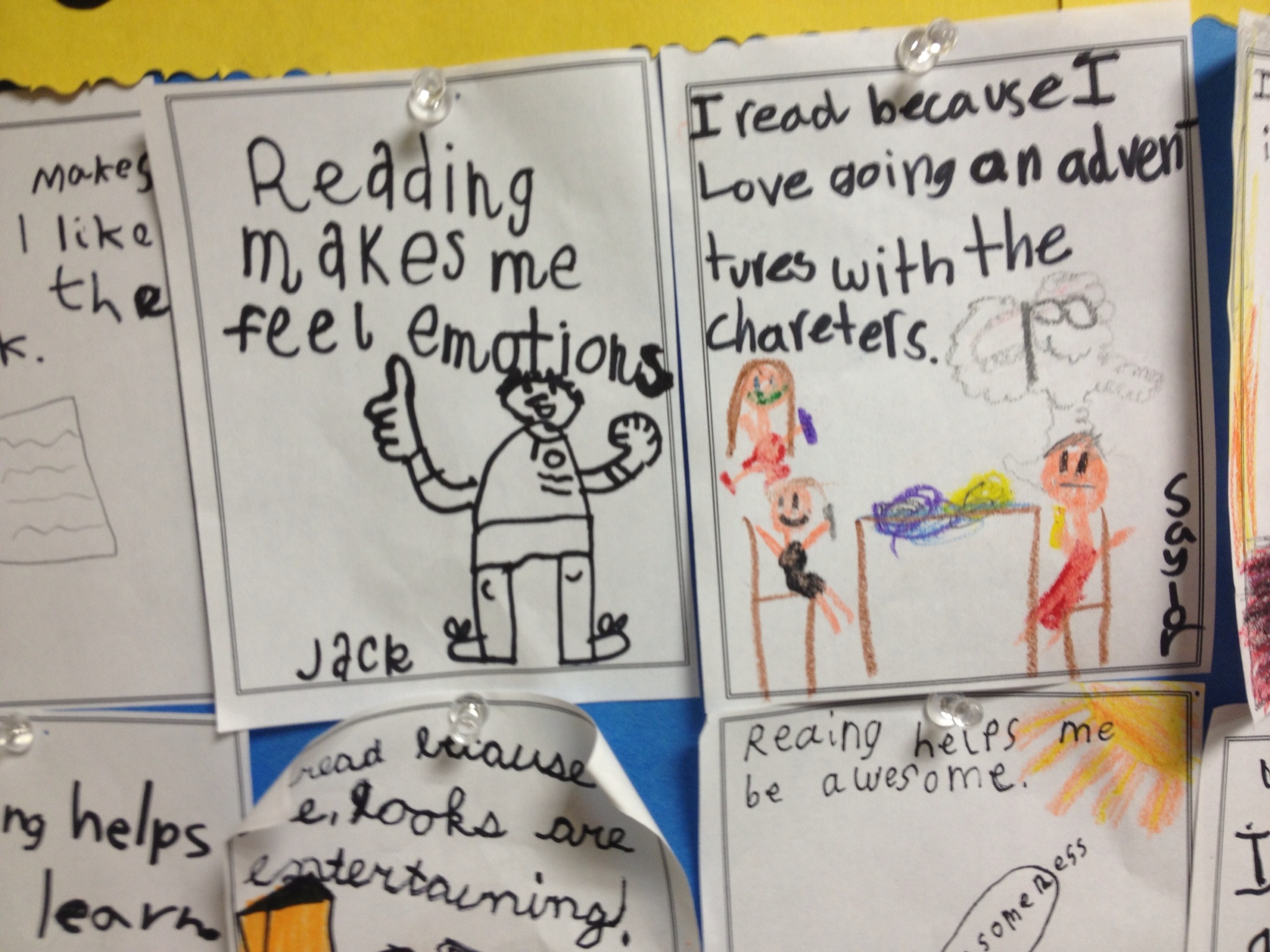
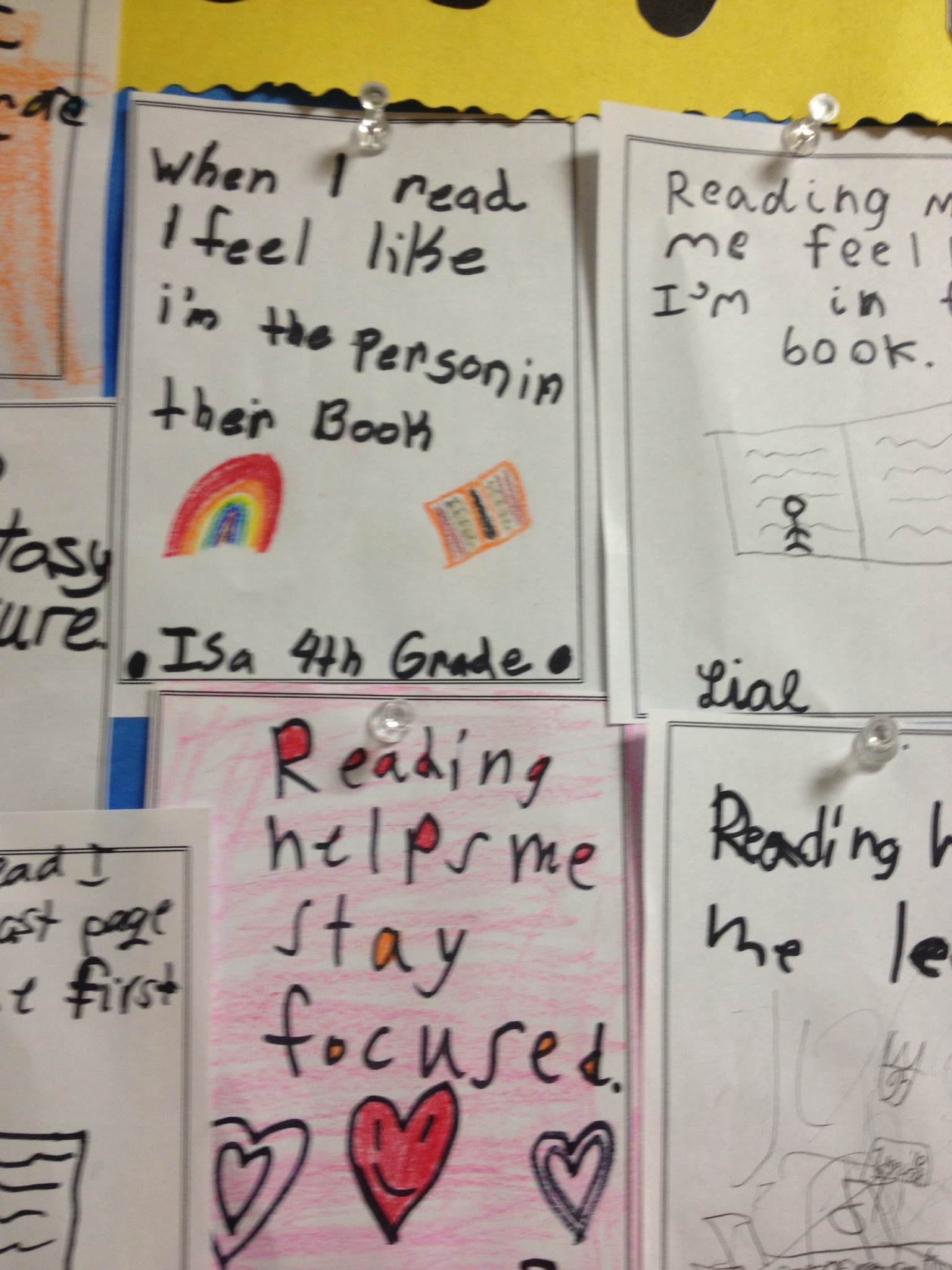
No doubt most of you have at least one bulletin board in your school libraries or classrooms that serve as a communications tool or as a PR tool for reading. In the past, I’ve used mine to convey inspiring messages about reading, for example Spring Into Reading and Books Take You Places You Have Never Been. Thinking about what to do with the bulletin board for the beginning of the school year, I’ve collected many pins on my Pinterest board, but none of them really jumped out at me. I wanted something more tactile–and to inspire reflection on students’ lifelong relationship to reading in all formats. We need to celebrate that “liquid literacy” is not just digital. So we got out the crayons and sharpies!  I took my cue from my school’s LearningTarget domain Role of Teacher: “Walls serve as a canvas for documenting collective knowledge and learning processes.” On a side note, over the course of the last school year, a committee of teachers and administrators formulated a one-page Target, which describes how we believe teaching and learning should look at our school. The idea was inspired by Jim Knight’s Unmistakable Impact.

Since one of my curriculum areas is literature appreciation, I titled the board “Why Read?” With each grade, we brainstormed where we find text. Once the obvious answers were covered, students quickly got into it and answers were more creative: menus, manuals, road signs, equipment labels, CD and DVD cases, ingredients lists on food containers, maps, and more. With some grades we discussed favorite genres (a sort-of entree to what will come soon: digital badges for genre reading). And we watched a great video put together by Sarah Ada for the New York State Reading Association in 2012, titled Read It Maybe (parody of Call Me Maybe by Carly Rae Jepsen) to help launch us into a discussion about why we read.

For grades 3 and up, I provided sentence starters

  • I read because…
  • Reading makes me feel…
  • When I read I…
  • Reading helps me…

Each student chose one to complete a postcard-sized piece of paper. Interestingly, the results show two very broad types of readers. There is the pleasure reader whose answers range from a simple “I read because I love it!” to “I read because reading comforts me” to “When I read I zone out and am completely focused on the book” to “Reading helps me get entertained when I am bored” to “Reading makes me feel emotion” to “I read because I love going on adventures with the characters”.  And then there is the task-oriented reader whose answers reveal more practical application: “Reading helps me because it helps me build my stamina at reading” and “Reading helps me increase my knowledge and my grammar” and “I read because it helps me learn. It helps you in the future.”

Why Read 5

Why Read 4

Why Read 3

As I develop my mission statement, I strive to instill in my students habits of lifelong reading, thinking, and learning… While the more practical student answers are certainly valid, I do see that I still have some work to do!

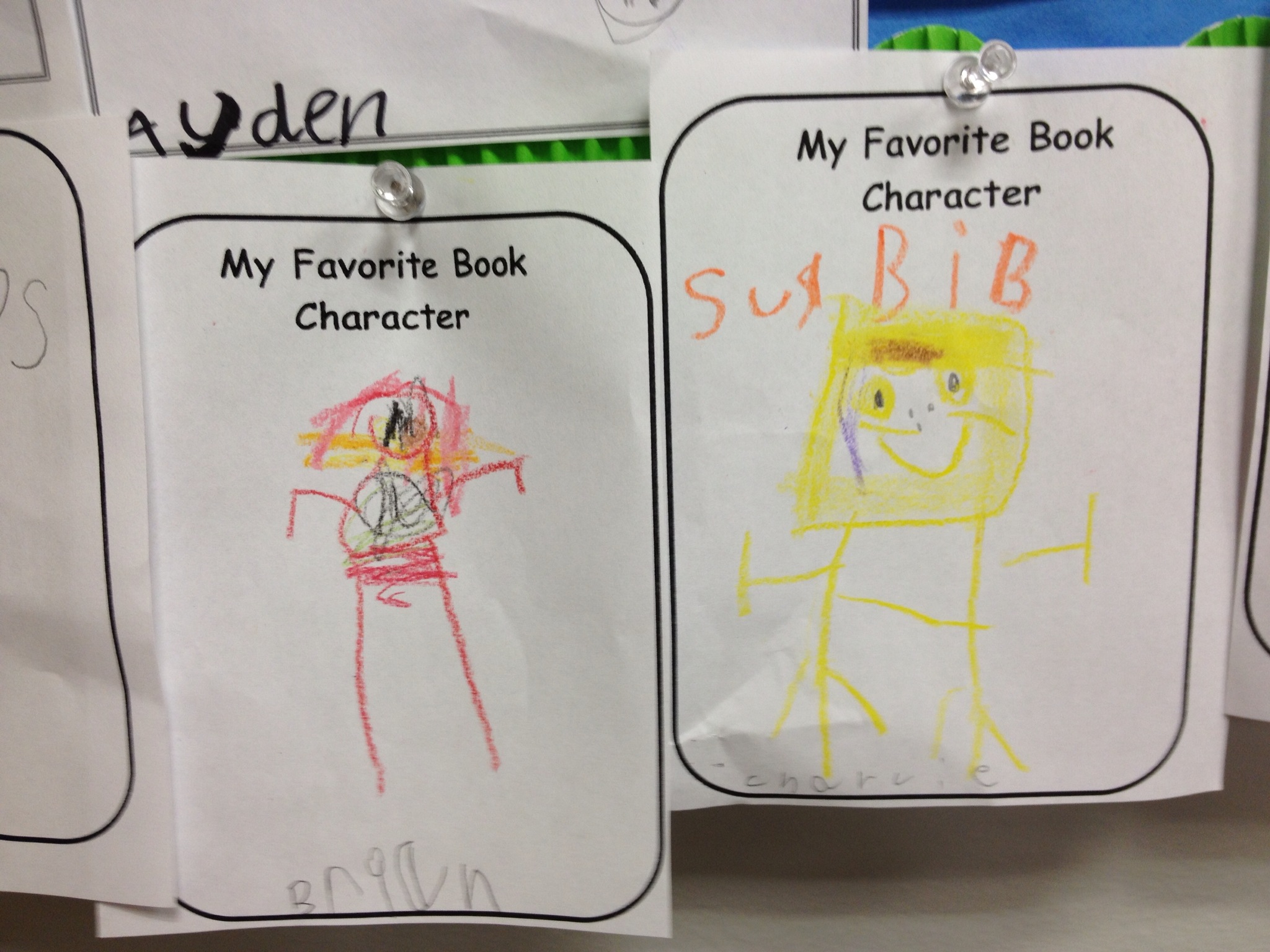
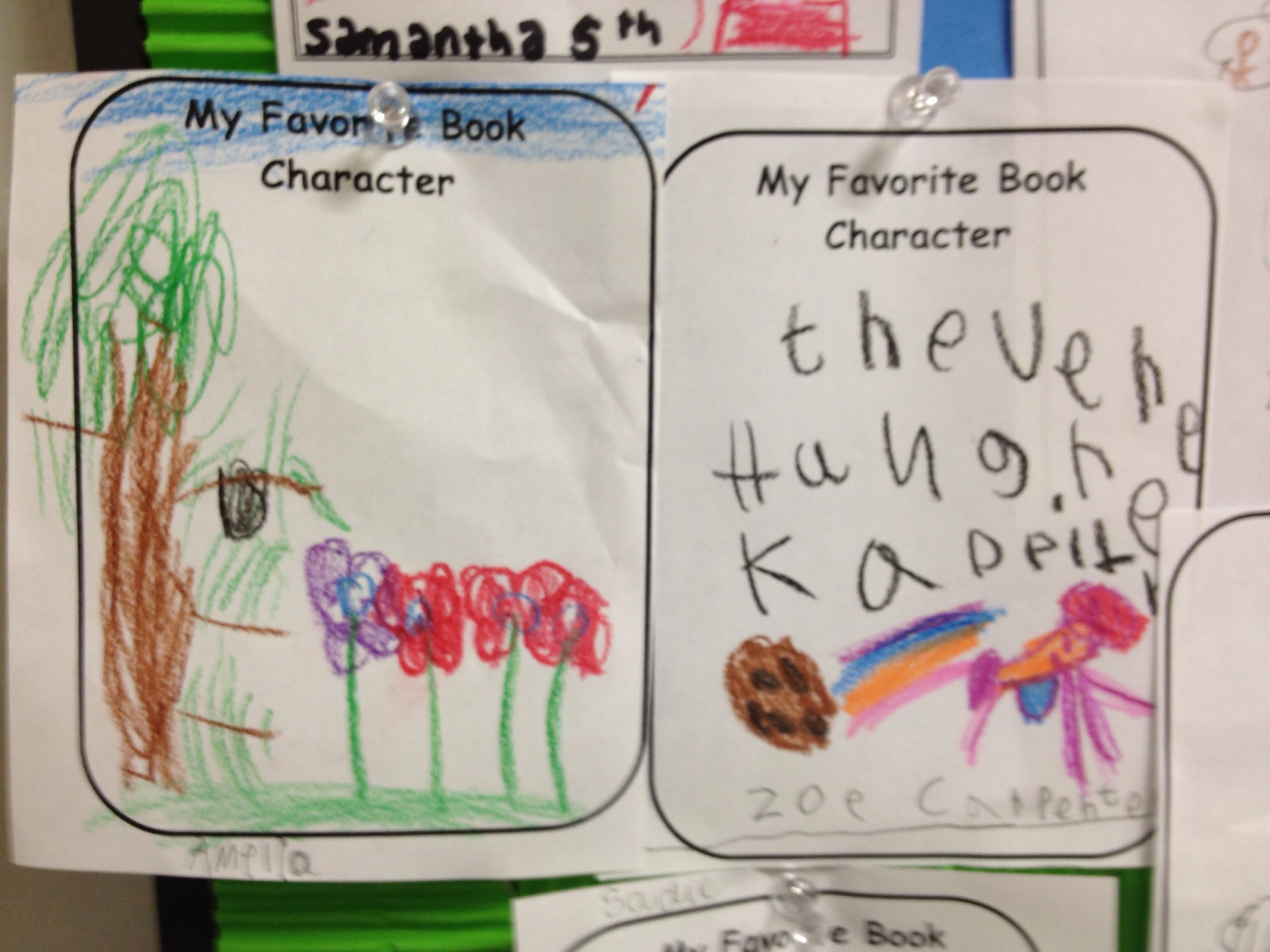
Our 1st graders participated as well. We talked about favorite books and book characters, which they then added to the board. Some not only drew pictures but included inventive spelling as well. Below you can see Spongebob and The Very Hungry Caterpillar.

Why Read 2

Why Read 1

My Mission as an Educator

This school year, we are implementing Stephen Covey’s 7 Habits as part of a school-wide Community of Kindness initiative. Our younger students will be creating classroom mission statements and our older students will be writing personal mission statements. As an exercise, all faculty were asked to write their professional mission statements. Here is mine:

My Mission as an Educator

My core mission is to provide a nurturing, safe, and stimulating environment for exploration of the information universe. I strive to instill in my students habits of lifelong reading, thinking, and learning, while developing ambition, curiosity and personal excellence. I aim to assist teachers and students in developing the competencies necessary for accessing and evaluating information from diverse sources.  Above all, I seek to empower all learners to the best of my ability.

Modern Classroom Learning: Creating and Publishing Collaborative eBooks

Photo Skitch Document

Photo Skitch Document-1

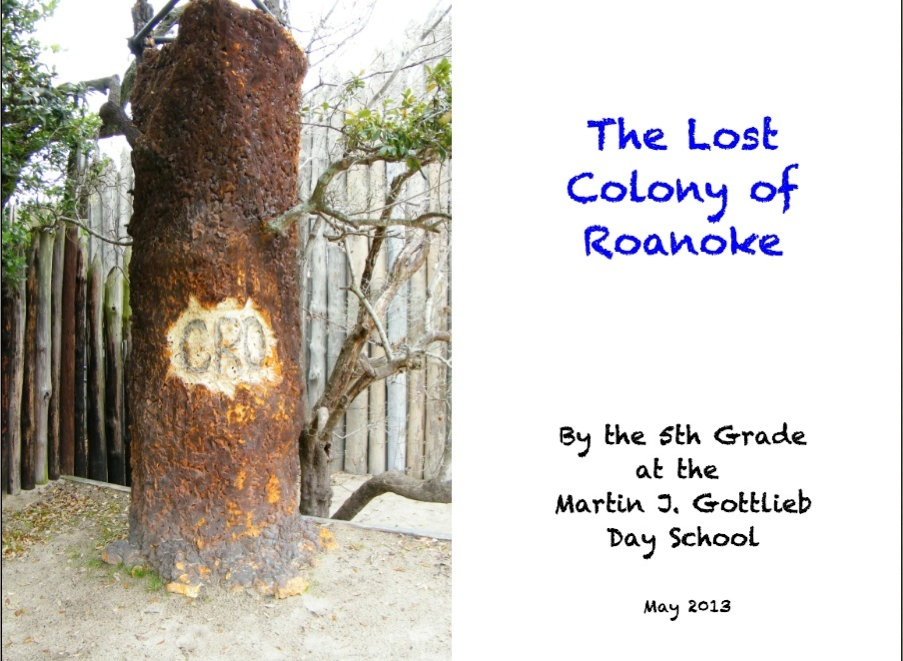
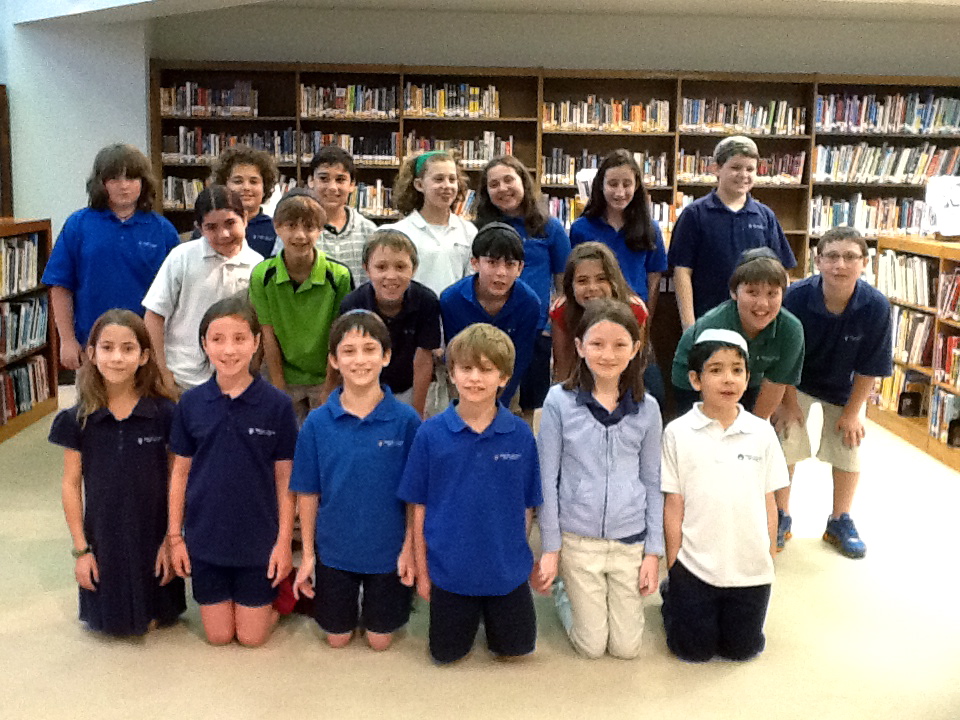
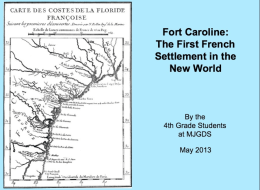
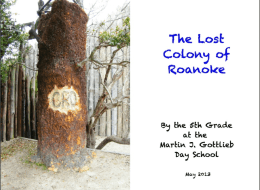
My 4th and 5th grade students finished creating ebooks on Fort Caroline, the first French settlement attempt in the New World, and the Lost Colony of Roanoke, respectively. This was a collaborative project with their social studies teacher, Ms. Shelly Zavon. Information sources were web-based, previously gathered, organized, and annotated using Diigo. Each student (5th grade) or student pair (4th grade) contributed a chapter to their class books.

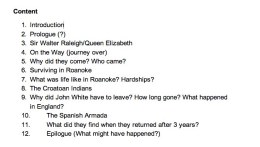
1. Brainstorming. Drawing on their subject knowledge, students began by brainstorming possible chapter topics and then putting them in an order.
Untitled document - Google Drive

2. The Writing Process. Once topics were distributed, students began the pre-writing stage by selecting relevant websites, reading the information, and taking notes to organize their ideas. Students used Google Docs and each shared their documents with the classroom teacher and me. This allowed us to provide immediate feedback. In addition, some students also chose to share their work with friends in the class, seeking their input as well. It was particularly important to provide feedback to students at this pre-writing stage as some found it difficult to narrow information to their particular topic or to simply stay focused on their section of the book to avoid overlapping with another section. And we needed to make sure that facts were accurate. Since the writing process required several stages, including extracting relevant information from the sources, drafting, revising, and editing text, it took multiple sessions.

The Colonists - Google Drive

It was very important to me that students take ownership of this project. So, periodically, we checked our progress as a group. We read through all draft sections and checked facts, suggested word choice changes, provided syntax and grammar corrections, and incorporated transitions between the sections. Reading as a group had the added benefit of providing each student with a better idea on their classmates’ content.

Also, once drafts were complete, I provided each student/student pair with a checklist to ensure writing mechanics were in order. Checklists are a great form of self-assessment for the students that ensure learning and also provide them with a sense of project ownership.

eBook Checklist3. Images. Each section was to include at least one relevant image. This allowed me to teach a mini-lesson Creative Commons images and where and how to find them. For our history topics, we found Wikimedia Commons a great resource.

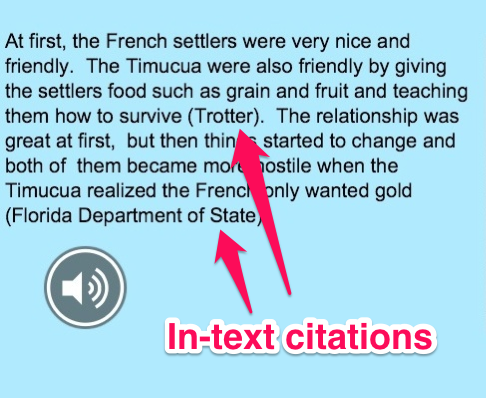
4. Information Ethics. Creating and publishing an ebook is a great tool to teach students digital citizenship. For this project, I introduced an adapted version of the MLA citation style. Students learned to create proper citations for both text and images. Their sections include in-text citations.

Photo Skitch Document

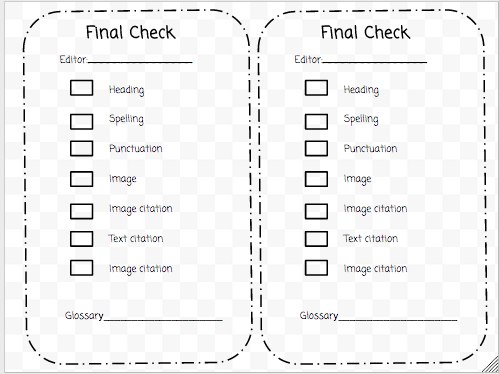
5. Product. Students used BookCreator app for iPad to create their books. Before importing text and images, students checked each other’s work one last time. For this purpose, I provided them with a Final Check sheet. Fifth grade students also compiled a glossary and editors were asked to identify words/phrases to include in the glossary during the final check.

eBook Final Check - Google Drive

The last step was to decide on a format for the ebooks. Each class brainstormed several options for font style, color and size as well as background color.Each also co-designed the book covers and wrote group reflections. Once their sections were finalized, they sent them to me via email as ibooks. I combined the books into one and added the Table of Contents, Works Cited,  Image Credits, and, in the case of 5th grade’s book, the Glossary pages. The final products are multi-modal, including text, audio, images, and hyperlinks.

6. Assessment. The classroom teacher and I informally assessed both the process and the quality of work through observation and reading of all documents at each drafting stage. If we felt we had to take a step back to bring the group together, we did take the time. For example, after reading all drafts, we realized that there was some repetition of information between different book sections. To ensure the students own this project, we then read all drafts as a class to identify repetitive information. We also continually provided feedback on all written work. Most students received comments/suggestions from both of us.

IMG_0614

photo 3

Reflection

For both my colleague, Shelly, and I this project was meant to not only deepen our students’ understanding of the time periods and historical events they researched by engaging them in the publication of a book, but from the beginning we wanted this to be a student-centered/student-owned project. Creating and publishing ebooks is a very involved process, but it is worth the time spent planning and then guiding the students.

This project promoted the development of multiple literacies. Students learned so many skills, from writing (organization, word choice, sentence fluency, transitions, and mechanics) to editing/proofreading to finding Creative Commons images to citing sources to collaborating to  fluently transition between multiple apps (Google Drive, browser, BookCreator) to publishing. This project incorporated all the hallmarks of modern learning: Creativity, Critical Thinking, Collaboration, and Communication.

Should you decide to hop on the ebook publishing train with your students, remember to be flexible and to allow time. Each stage of the project evolved slowly in accord with their own unique tasks–research, writing, publishing. Slow but deliberate work is key. In retrospect, the project was more about the process than the end product, not only for the teachers but the students as well (read the “Project Reflection” pages in their ebooks).

My students are sharing their work with a global audience and are looking forward to receiving authentic feedback — from you! Please leave them a comment.

Click to download books from the iBooks store:

The Lost Colony of Roanoke:

Fort Caroline: The First French Settlement in the New World

Or view them below: